


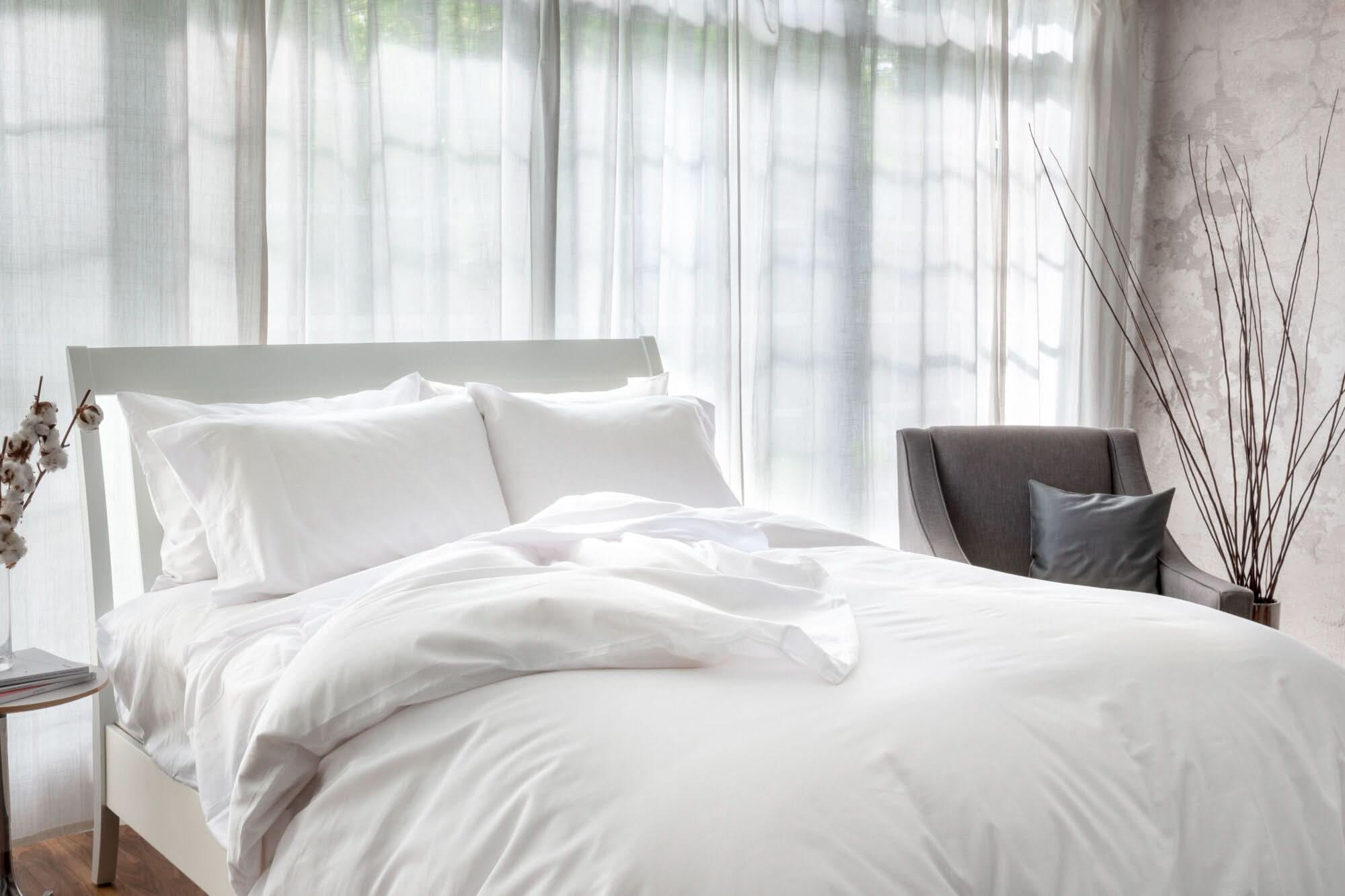
Walk into pretty much any bedding shop, online or off, and you’ll see “Egyptian cotton” slapped on everything from ₦15,000 sheet sets to ₦200,000 ones. That’s the problem, really. It’s one of the most imitated names in textiles, and a lot of what’s sold under it never touched Egyptian soil.
So what actually separates real Egyptian cotton from the marketing version, and how do you avoid paying luxury prices for a word on a label? That’s what this guide is for the fiber science, the tricks to watch for, and how to shop for it sensibly here in Nigeria.
What Egyptian Cotton Actually Is
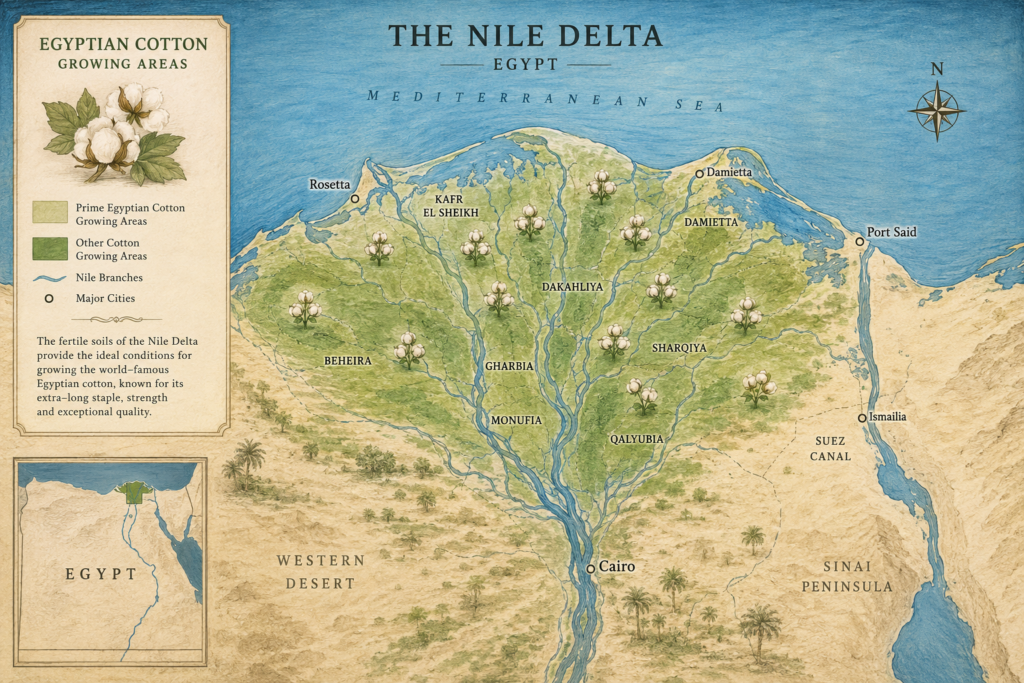
Egyptian cotton isn’t just cotton that happens to have grown in Egypt. It’s a specific species, Gossypium barbadense cultivated almost entirely in the Nile Delta, where the soil is unusually rich and the climate hot and dry in a way that seems to suit this plant better than almost anywhere else.
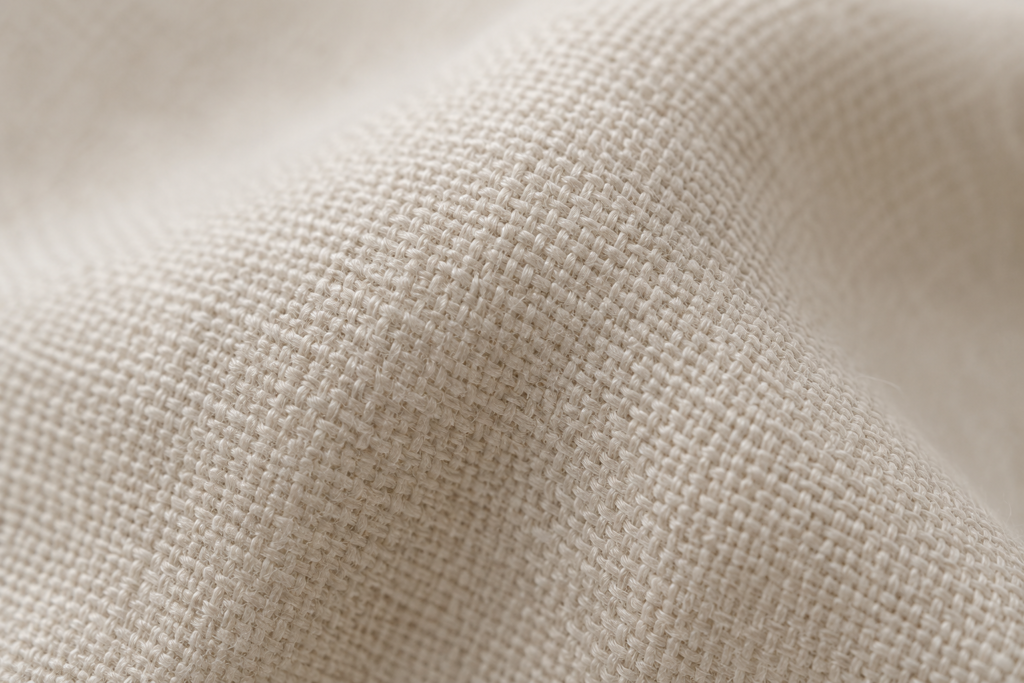
That combination produces something called an extra-long staple fiber. Individual strands stretch up to around 2 inches, against roughly an inch or less for the standard upland cotton used in most everyday sheets and clothes. That extra length is really the whole story here. Longer fibers spin into finer, stronger yarn with fewer joins along the way, and that’s what gives genuine Egyptian cotton its smoother feel and its staying power.
Worth saying plainly, since most guides skip this part: industry investigations have pointed to a large share of products labelled “Egyptian cotton” worldwide not actually containing real Egyptian fiber. That’s not a reason to steer clear of it just a reason to know what you’re actually paying for.
Why It Feels Different From Regular Cotton
Put a genuine Egyptian cotton sheet next to a standard one and the difference is obvious within seconds of touching it. It’s not marketing. It comes down to fiber length doing three things at once.
- Fewer exposed fiber ends smoother against skin
- Stronger, finer yarn resists pilling far better through repeated washes
- Better breathability finer yarn lets more air move through the weave
Here’s a detail that catches a lot of first-time buyers off guard: genuine Egyptian cotton tends to soften with every wash, not roughen. Cheaper cotton usually does the opposite starts soft, then stiffens and starts pilling within a year.
The Thread Count Myth
If there’s one thing worth setting straight before you shop, it’s this: a higher thread count doesn’t automatically mean better quality. With Egyptian cotton specifically, it’s often the reverse.
Here’s why. Manufacturers working with cheap, short-staple cotton will sometimes twist two, three, even four thin threads together and count each one separately, which inflates the number on the label. A “1000 thread count” sheet made that way can end up stiffer, heavier, and worse at breathing than a genuine 300 or 400 thread count sheet woven from single-ply, long-staple Egyptian fiber.
Quick Answer: What Thread Count to Actually Look For
| Thread Count Range | What to Expect | Best For |
|---|---|---|
| 300–400 TC | Crisp, cool, highly breathable | Hot climates, everyday use |
| 400–600 TC | Balanced, silky feel | Most buyers, year-round comfort |
| 600–800 TC | Heavier, more substantial feel | Cooler rooms, hotel-style luxury |
| 800+ TC | Usually multi-ply treat with caution | Rarely worth the premium |
Focus on single-ply construction and genuine fiber first. Thread count is a detail worth checking, not the headline number to chase.
How to Spot Fake Egyptian Cotton
Because the name carries so much weight, it gets misused constantly. A few checks that actually help before you buy:
- Look for certification. Genuine Egyptian cotton carries the Cotton Egypt Association’s Pyramid Mark. No mark usually means no proof.
- Be wary of very high thread counts at very low prices. A 1000+ TC set selling well below market rate almost never turns out to be genuine.
- Read past “Egyptian cotton” to the fine print. Some labels blend in a small percentage of real fiber and still use the name.
- Ask about single-ply weave directly. A seller who actually knows their product won’t hesitate to answer.
- Trust the feel over the label. Genuine fiber has a distinct, silky drape that’s genuinely hard to fake.
Egyptian Cotton vs Other Premium Cottons
Egyptian cotton often gets lumped in with Pima and Supima cotton, but they’re not quite the same thing.
| Cotton Type | Fiber Length | Origin | Typical Feel |
|---|---|---|---|
| Egyptian cotton | ~32–50mm | Nile Delta, Egypt | Silky, exceptionally smooth |
| Pima cotton | ~26–32mm | USA, Peru, Australia | Soft, durable, slightly less fine |
| Supima cotton | ~26–32mm | USA (certified Pima) | Similar to Pima, quality-controlled |
| Upland cotton | ~19–25mm | Widely grown globally | Standard, less refined |
All three premium types beat standard upland cotton by a fair margin. But among them, genuine Egyptian cotton usually has the longest fiber and finest yarn which is exactly why it commands the highest price when it’s actually real.
Buying Egyptian Cotton in Nigeria
A few things matter more here than they would in a cooler climate. Heat and humidity change what “good” bedding actually looks like on the ground.
What to Prioritise
- Percale over sateen if you sleep hot. Percale has a crisp, airy weave; sateen feels silkier but traps more heat.
- Lighter thread counts, 300–500 TC. Heavier, denser weaves work against you here, not for you.
- Colour-fast dyes. Frequent washing through the warmer months fades cheap dye jobs fast.
- A seller who can actually answer certification questions, not just repeat “100% Egyptian cotton” on the listing.
For Hotels and Airbnb Hosts
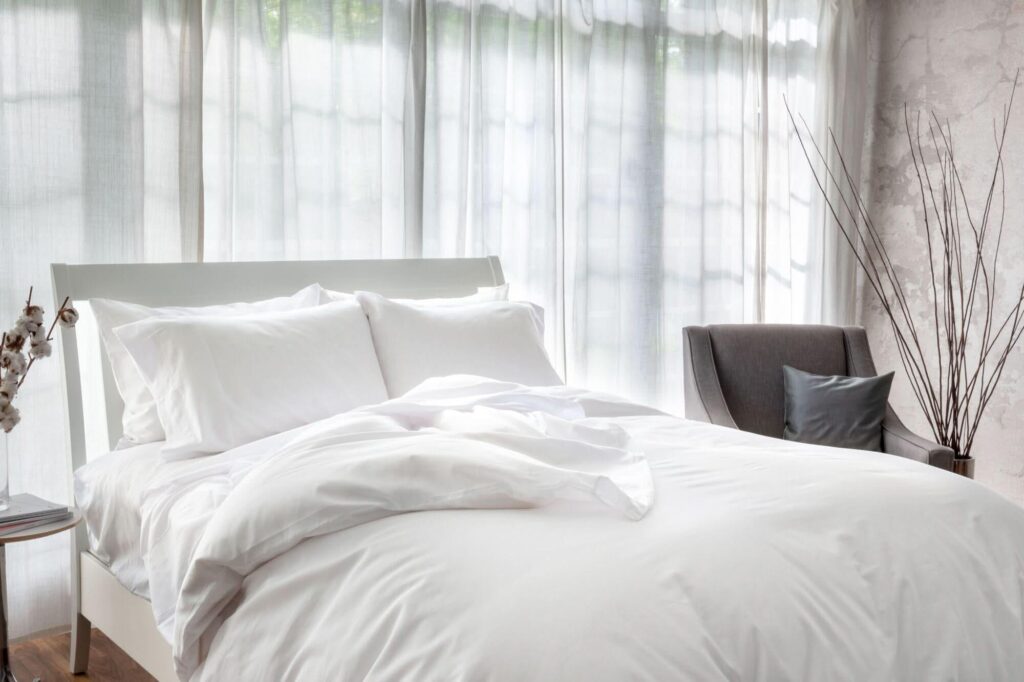
Genuine Egyptian cotton sheets are one of the few upgrades guests notice and remember almost immediately. For hospitality settings, percale in the 300–400 TC range tends to hit the right balance between comfort, wash durability, and Nigeria’s climate.
Caring for Egyptian Cotton Bedding
- Wash in cold or lukewarm water to protect the fiber over time.
- Skip the bleach and fabric softener. Both break down exactly the fibers that make Egyptian cotton feel the way it does.
- Tumble dry low, or line dry when you can. High heat is the quickest way to shorten a sheet’s lifespan.
- Iron while slightly damp if you want that crisp, hotel-style finish on percale weaves.
Common Mistakes Buyers Make
- Chasing thread count numbers instead of checking fiber origin and weave first.
- Assuming “Egyptian cotton” on the label means 100% genuine fiber. It often doesn’t.
- Buying the cheapest “Egyptian cotton” set on offer. If the price feels too good, the fiber probably isn’t real.
- Ignoring weave type. Sateen and percale feel completely different, and picking the wrong one for your climate can ruin the whole experience.
- Skipping care instructions. Even genuine Egyptian cotton wears out faster under harsh washing.
Frequently Asked Questions
What makes Egyptian cotton different from regular cotton?
Egyptian cotton is made from extra-long staple fibers, making it softer, stronger, and more durable than regular cotton. These longer fibers produce smoother yarns that resist pilling and become softer with every wash. Genuine Egyptian cotton bedding also offers excellent breathability and long-lasting comfort.
Is a higher thread count always better for Egyptian cotton sheets?
No. A higher thread count does not always mean better quality. The best Egyptian cotton sheets typically have a 300–500 thread count with single-ply yarns. Extremely high thread counts can reduce breathability and are sometimes achieved by using multi-ply threads rather than higher-quality cotton.
How can I tell if Egyptian cotton is genuine?
To identify genuine Egyptian cotton, look for:
- 100% Egyptian cotton on the label.
- Certification from the Cotton Egypt Association (CEA).
- Transparent product details about the cotton’s origin.
- Realistic thread counts between 300 and 500.
Be cautious of products with very high thread counts at unusually low prices.
Is Egyptian cotton worth the extra cost?
Yes, genuine Egyptian cotton is worth the investment if you want luxurious, durable, and breathable bedding. It lasts longer than regular cotton, becomes softer over time, and provides exceptional comfort, making it a cost-effective choice over the long term.
What is the best thread count for Egyptian cotton sheets in a hot climate?
For warm climates like Nigeria, the ideal Egyptian cotton sheet thread count is 300–400, especially with a percale weave. This combination promotes airflow, keeps you cool, and provides a crisp, lightweight sleeping experience.
What’s the difference between percale and sateen Egyptian cotton?
Percale has a crisp, matte finish and excellent breathability, making it ideal for hot sleepers and warm climates. Sateen has a smoother, silkier feel with a subtle sheen but retains more warmth. Both use Egyptian cotton, but the weave creates a different sleeping experience.
Does Egyptian cotton get softer over time?
Yes. Genuine long-staple Egyptian cotton naturally softens after repeated washing while maintaining its strength. Unlike lower-quality cotton, it is less likely to pill, lose softness, or wear out quickly.
How should I wash Egyptian cotton bedding?
Wash Egyptian cotton bedding in cold or lukewarm water using a mild detergent. Avoid bleach and fabric softeners, and tumble dry on low heat or line dry when possible. Proper care helps preserve the softness, strength, and lifespan of the fabric.
Are Pima cotton and Egyptian cotton the same?
No. Both are premium long-staple cottons, but they are different. Egyptian cotton is grown in Egypt’s Nile Delta, while Pima cotton is grown in countries such as the United States and Peru. Both are soft and durable, but genuine Egyptian cotton is widely regarded as one of the finest cotton fibers available.
Why is Egyptian cotton often mislabeled?
Egyptian cotton is one of the world’s most recognized luxury fabrics, so some manufacturers misuse the name to attract buyers. Always look for 100% Egyptian cotton and Cotton Egypt Association certification to ensure you’re purchasing authentic Egyptian cotton bedding rather than blended or mislabeled products.
Conclusion
Real Egyptian cotton earns its reputation, but only when it’s actually genuine. The fiber length, the softness that builds with every wash, the durability that outlasts cheaper cotton by years none of that comes from the name on the label. It comes from where the cotton was grown and how honestly it was woven.
Before you buy your next set of sheets, skip the thread count race and ask the questions that actually matter: certification, fiber origin, weave. At Esorae Home, we’d rather Nigerian shoppers know what they’re buying than just what it’s called.
Curious what genuine quality feels like? Visit Esorae Home to explore bedding built around real materials, not just marketing labels.