


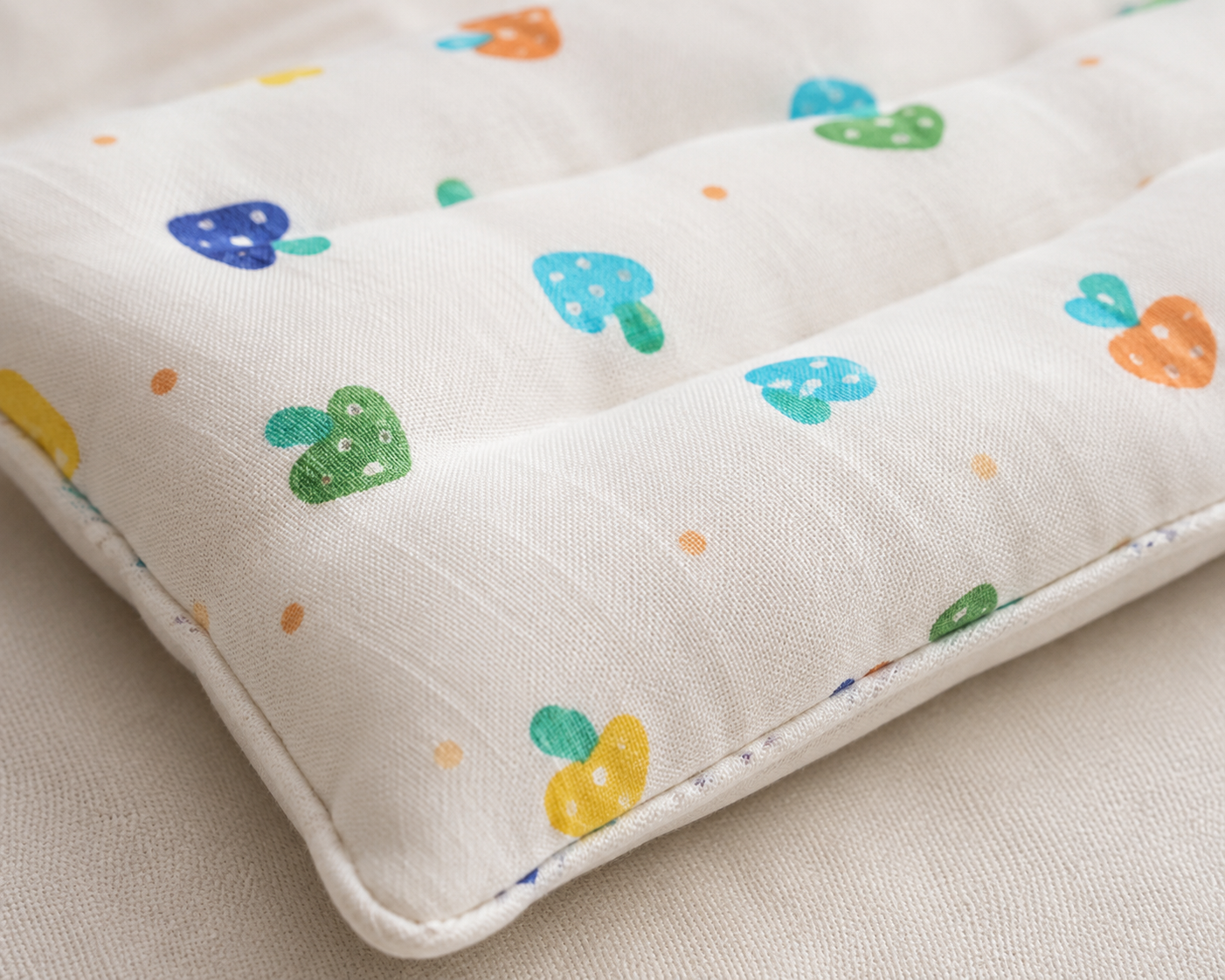
Walk into almost any baby shop in Lagos or Abuja and you’ll spot rows of tiny, embroidered pillows marketed for newborns. They look adorable in the crib. But here’s the question most parents don’t ask until it’s too late: is a baby pillow actually safe for a newborn to sleep on?
The honest answer is more nuanced than the marketing suggests. As a bedding brand that works closely with Nigerian parents furnishing their nurseries, Esorae Home gets this question weekly, and we’d rather give you the real answer than sell you something risky.
This guide covers when pillows are appropriate, how to choose a safe one, and what to use instead for younger infants.
Is a Baby Pillow Safe for Newborns?
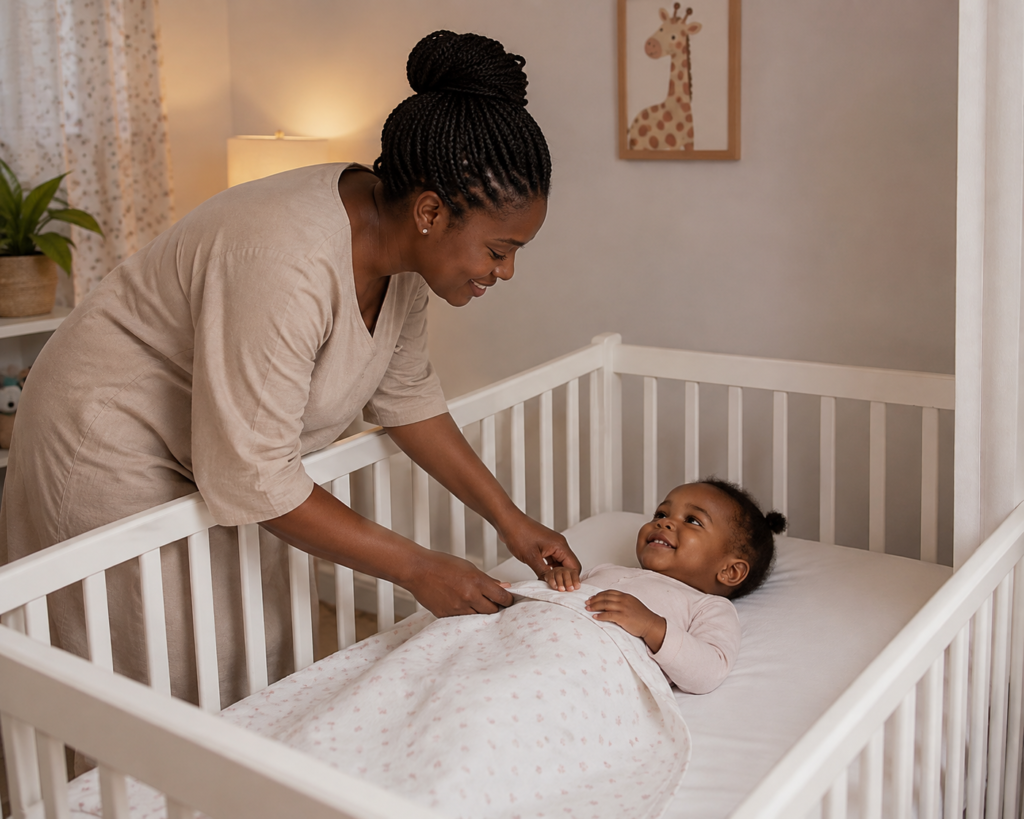
No, not for sleep. The American Academy of Pediatrics (AAP) states that infants should sleep on a firm, flat surface with no pillows, blankets, or soft bedding until at least their first birthday. This isn’t overcaution; it’s based on real evidence.
Newborns have proportionally large heads and weak neck muscles. If a pillow tilts their head forward or traps their face against soft fabric, they often lack the strength to reposition themselves. That combination raises the risk of suffocation and Sudden Infant Death Syndrome (SIDS).
Room-sharing without bed-sharing, on the other hand, is linked to a SIDS risk reduction of up to 50%, according to pediatric safe-sleep research. That’s a far bigger safety win than any pillow can offer.
When Can Babies Start Using a Pillow?
Most pediatric guidance points to somewhere between 18 months and 2 years old, once a toddler can move independently, roll over easily, and sit up without help.
Quick answer: Wait until at least 18 months, and only introduce a thin, firm, toddler-specific pillow never a plush adult one.
Signs your toddler may be ready:
- They’ve moved from a crib to a toddler bed
- They can push soft objects away from their face
- They regularly try to prop their head on something during play
What Makes a Baby Pillow Safe
Once your toddler reaches the right age, not just any pillow will do. A genuinely safe baby pillow shares a few core traits.
Firmness Over Fluffiness
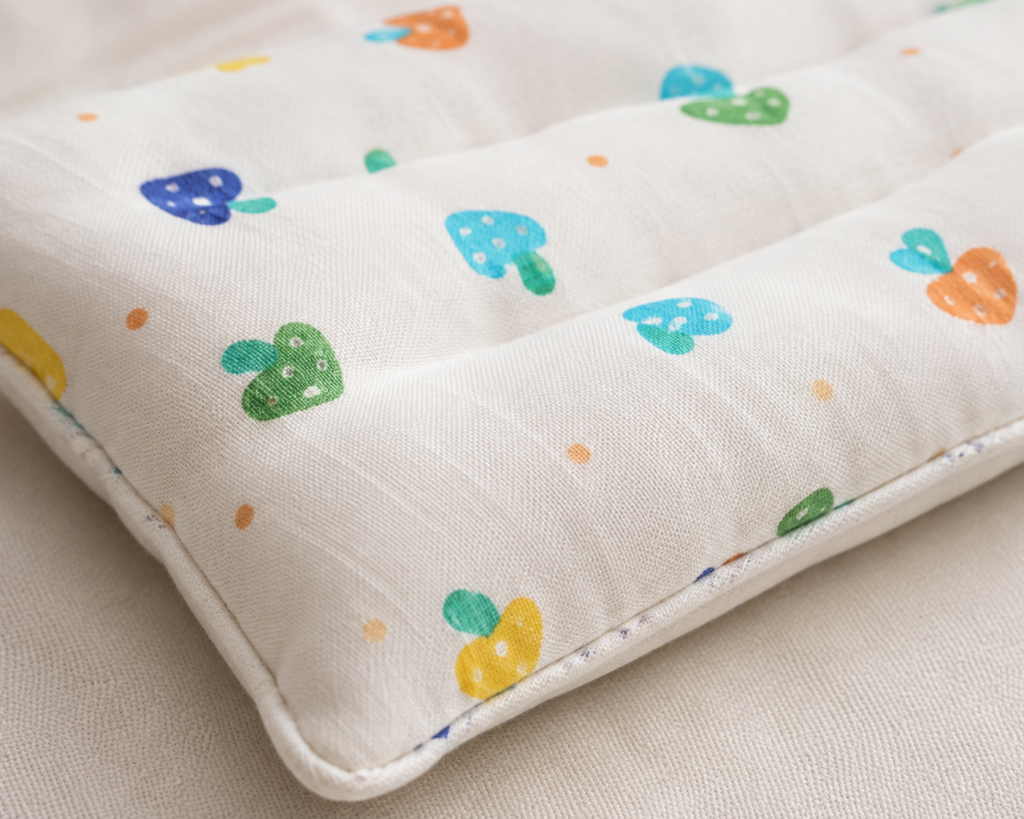
A pillow that’s too soft can still mold around a toddler’s face. Look for supportive, low-loft fill that holds its shape.
Breathable, Natural Fabric
Cotton baby bedding allows airflow and reduces overheating, one of the recognized risk factors in unsafe sleep environments.
Hypoallergenic Fill
Sensitive skin is common in Nigeria’s humid climate. Hypoallergenic filling reduces the chance of rashes, heat bumps, or allergic reactions.
Correct Size
A toddler pillow should be noticeably smaller and flatter than an adult one, usually no more than 2–3 cm thick.
Common Mistakes Nigerian Parents Make
- Introducing a pillow too early because a baby “looks uncomfortable” without one. Newborns don’t need a pillow to sleep well.
- Buying based on appearance: embroidered, decorative pillows are often marketed for babies but designed for nursery décor, not safe sleep.
- Skipping the wash-before-use step, especially with imported bedding that’s traveled long distances.
- Ignoring fill material and choosing whatever’s cheapest at the market, regardless of breathability.
Caring for Your Baby’s Pillow
Once your toddler is old enough for one, treat it like any other piece of baby bedding essentials:
- Wash covers weekly in mild, fragrance-free detergent
- Sun-dry when possible. Nigeria’s climate makes this easy and naturally reduces dust mites
- Replace the pillow every 12–18 months as it flattens or loses shape
- Check seams monthly for small tears that could release fill
Expert Tips for a Safer Nursery
- Keep the crib “boring”: mattress, fitted sheet, nothing else, until age 1.
- Set nursery temperature comfortably cool, overheating is a documented SIDS risk factor.
- Choose one trusted nursery bedding brand for pillow, sheet, and cover so materials and sizing stay consistent.
- When your toddler is ready, pick a pillow designed specifically for toddler sleep support, not a scaled-down adult pillow.
Final Thoughts
A baby pillow isn’t something to rush into. It’s something to introduce at the right time, with the right materials. Skip it entirely for the first year, prioritize a bare, firm sleep surface, and when your toddler is ready, choose a soft, breathable, correctly sized pillow built for their stage of development.
Esorae Home designs cotton bedding for exactly this transition; soft where it should be soft, supportive where it matters, and made with Nigerian homes in mind. Browse our toddler pillow collection to find a piece that grows with your child, safely.
FAQs
Q1: Can newborns sleep with a pillow?
No. Newborns should sleep on a firm, flat surface without pillows or loose bedding.
Q2: When can a baby use a pillow?
Most experts recommend waiting until the toddler stage and following age-appropriate guidance.
Q3: What is the best baby pillow in Nigeria?
Choose an age-appropriate pillow with breathable, comfortable, and easy-care materials.
Q4: Are soft baby pillows safe?
For toddlers, choose a low, supportive pillow rather than an overly plush option.
Q5: What material is best for baby pillows in Nigeria?
Breathable cotton is a practical choice for Nigeria’s warm climate.
Q6: How often should a toddler’s pillow be washed?
Wash the pillowcase regularly and follow the manufacturer’s care instructions for the pillow.
Q7: Where can I buy a baby pillow in Nigeria?
You can explore suitable options from Esorae Home’s pillow collection.